








Summer is synonymous with departures, often to exotic and distant destinations. But an overseas trip also requires some health precautions. There is much talk about Ebola, a disease that today does not actually represent a specific risk for travelers, but only for healthcare workers. Dengue, on the other hand, requires particular attention to protection measures against mosquito bites. On the eve of departure, the Italian Society of Infectious and Tropical Diseases (Simit) reminds us that many infections, now rare or absent in Italy, are still widespread in many areas of the world and that proper prevention can avoid even very serious problems. Furthermore, not only abroad but also in Italy, one must never let their guard down regarding sexually transmitted infections (STIs).
Read more Massacre of Guardistallo, that forgotten victim now demands honor and memory
Here is the decalogue from infectious disease specialists for travelers with the advice of Cristina Mussini, president of Simit and full professor of Infectious Diseases at the University of Modena and Reggio Emilia and director of the Infectious Diseases Clinic of the University Hospital Policlinico of Modena, and Antonio Cascio, professor of Infectious Diseases at the University of Palermo, director of the Infectious Diseases Unit and the regional AIDS reference center at the Policlinico P. Giaccone of Palermo and member of Simit.
The decalogue for travelers
- Plan the trip in advance. Those traveling to tropical countries or exotic destinations should have a pre-travel consultation at Travel Medicine clinics or Infectious Diseases departments. They should also inquire about the Maritime, Air, and Border Health Offices (Usmaf) of the Ministry of Health. These are the only authorized to administer the yellow fever vaccine and issue the international certificate required to enter certain countries;
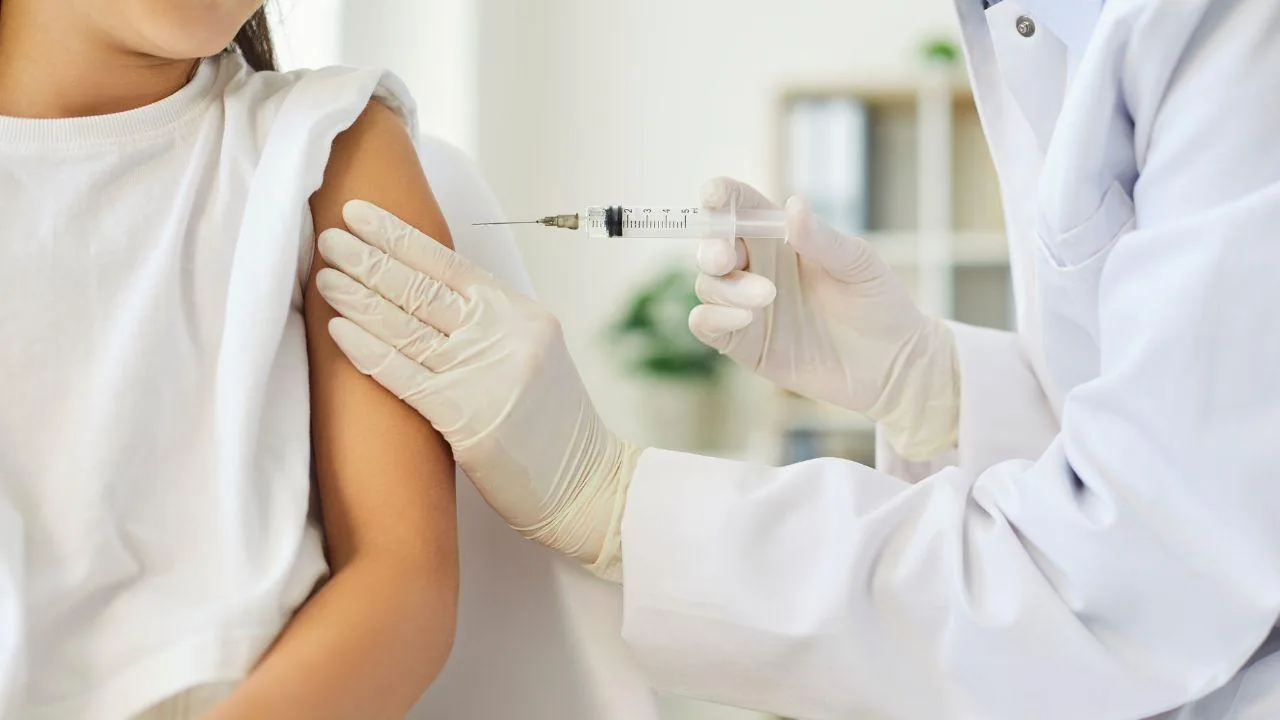
- Check routine vaccinations. Before leaving, it is advisable to ensure you are up to date with boosters for measles, rubella, tetanus, diphtheria, Covid-19, and, in indicated categories, pneumococcus;
- Consider destination-specific vaccinations. The hepatitis A vaccine is particularly recommended for those traveling to areas where the infection is still common, as well as vaccines against typhoid fever, meningococcus, cholera, Japanese encephalitis, or rabies depending on the country visited and the length of stay. Do not underestimate malaria. For local populations, it may be an endemic disease, but for those not immune, it can quickly become very serious. People at risk are not only those born in Italy but also those coming from high-endemic countries who have lost immunity by living in our country. Chemoprophylaxis must be prescribed by a doctor based on the destination, possible parasite resistances, and potential interactions with other medications the patient is already taking;
- Protect yourself from mosquito bites. Skin repellents, mosquito nets, and air-conditioned environments are essential tools not only against malaria but also against Dengue, now endemic in many areas of the world;
- Prepare a small travel health kit. It can be useful to carry rehydration salts in sachets for vomiting and diarrhea, specific medications prescribed by a doctor for traveler’s diarrhea, and materials for wound dressing. It is advisable to carry a broad-spectrum antibiotic such as fluoroquinolones. Those with chronic conditions should bring their usual therapies, storing them properly, perhaps in a cooler bag if they require specific temperatures. It is also recommended to take out insurance coverage for medical emergencies, as healthcare can be very expensive in some countries;
- Be careful with food and drinks. Drink only bottled water, avoid ice in drinks, and consume raw foods, especially fish and shellfish, with caution, as they can transmit infections and serious parasitic diseases;
- Protect yourself and your partner with a condom. It remains the most effective method to reduce the risk of sexually transmitted infections (STIs), such as HIV, gonorrhea, syphilis, genital herpes, and HPV. Attention should be drawn to the female condom, which is almost never used in Italy but represents a tool of greater autonomy and awareness for women;
- Consider PrEP and resort to PEP when necessary. For people at higher risk of HIV exposure, PrEP (pre-exposure prophylaxis) may be indicated, which must be taken continuously, without interruption, to be effective. If a risky encounter occurs, it is important to know that PEP (post-exposure prophylaxis) must be started within 72 hours. Both PrEP and PEP must be prescribed at Infectious Diseases departments;
- Live sexuality consciously. Avoid sexual intercourse under the influence of alcohol or drugs, as impulsive behaviors exponentially increase the risk of contracting sexually transmitted infections. When with casual partners, condom use is always strongly recommended.
- Do not neglect HPV vaccination. The HPV vaccine is recommended for girls and boys, preferably at a young age, but if having relations with casual partners, it is also advised in adulthood. It should be emphasized that it is not recommended only for women but equally for men, as besides preventing cervical cancer, it helps reduce the risk of other virus-related cancers, such as those of the penis, anus, and head and neck region.