

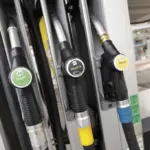



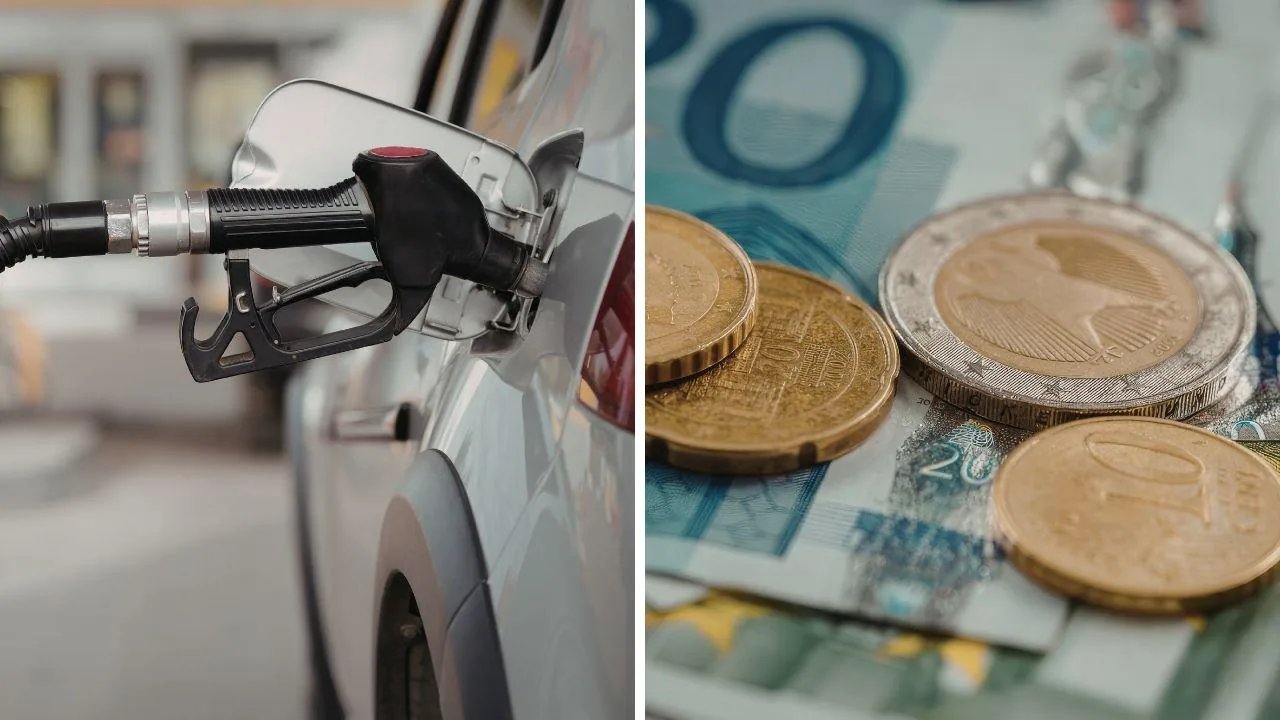
Excise duty cut in the balance: the fuel discount expiring on June 6 might not be renewed in favor of a 100 euro voucher for the most needy families. According to what has been learned, this is the prevailing hypothesis in view of the Council of Ministers which should be held tomorrow afternoon (June 4) at 5 p.m.
Read more Permanent position in public administration: over 1,300 permanent hires – What you need to know
How the bonus works
The bonus would go beyond the logic of a generalized measure to target 1.2 million households with ISEE within 15,000 euros benefiting from the social card, through which the bonus would be disbursed. The cost of the operation is 120 million euros, compared to the total of 2 billion spent by the government since March 18 to cut excise duties. Therefore, the extra VAT revenue due to the rise in fuel prices, amounting to approximately 150 million, would be sufficient to cover the voucher.
Excise duty cut: the scenario in case of extension
On the table, resources permitting, there is also the hypothesis of an extension of the fuel discount by readjusting the thresholds based on the fuel that has seen the largest increases (specifically gasoline in recent weeks). In case of an extension, the government should draw from unspent EU cohesion funds held by the ministries. No recourse, however, to EU flexibility for the excise duty cut.
Measures for energy transition
Today’s green light from the European Commission to divert up to 0.3% of GDP per year (approx. 6.6 billion) for 3 years, with a cumulative limit of 0.6% (over 13 billion) in 2026-28 of defense spending, is subject to certain conditions. It must indeed be exclusively allocated to energy transition measures that accelerate autonomy from fossil fuels. This therefore includes green plants, grids, energy storage systems, but also incentives for the purchase of electric vehicles, batteries, and solar panels, among others.
Technically, Brussels grants the extension of the safeguard clause for defense, equal to 1.5% of GDP, to energy resilience expenditures. In fact, it is a redistribution, and therefore if Rome were to use all the flexibility foreseen for energy, it would reduce the expenditures in derogation of the accounts to be allocated to defense to 0.9% of GDP. The EU executive thus accepts the Italian request, which will now pass to the Council for approval and would be operational after the summer, thus redirecting resources also in view of the new autumn budget. «I am satisfied because the Commission, unthinkable until a few months ago, has accepted our proposals, the result of long, serious, and confidential work,» underlines in a note the Minister of Economy Giancarlo Giorgetti. «When the limits of use are specified – Giorgetti continues – the Ministry of Economy reserves the right to make the most targeted proposals to protect businesses and families. Naturally, the evaluation must be made comprehensively and must also take into account the latest estimates provided by the Commission and the elements contained in the recommendations” which “testify to the effort and seriousness of Italian public finance.»