



Retirement no longer necessarily coincides with the end of work. For a growing share of people from Tuscany (but the phenomenon is national), it now represents a transitional phase, in which the pension coexists with paid activity, such as volunteering or other forms of social participation. But who remains active after leaving work? And above all, is it a choice or a necessity?
The answer comes from the research “Paths of activity after retirement. The results of a study in Tuscany”, carried out by the University of Florence by Annalisa Tonarelli, Dario Raspanti and Emanuele De Girolamo for the Spi Cgil Toscana, which captures the trajectories of over 2,500 retirees aged between 60 and 75.
Read more Superenalotto, draw of July 28: the winning numbers and the jackpot
The paradox of need
The study talks about a real “paradox of need”. Those who would have the greatest need to supplement their pension with income from work are often precisely those who have the least chance of succeeding. Discontinuous careers, lower levels of education, less marketable skills and weaker professional networks make it very difficult to find employment after retirement. The result is that among people with high economic need and low professional capital, 68% remain inactive. Work after retirement, in short, does not follow need but the availability of skills, relationships and opportunities developed during working life.
We quote from the research: «Both intellectual occupations and specialized manual ones have more people who continue to work after retirement compared to basic occupations: 14.3% and 13.6% versus 8.1%».
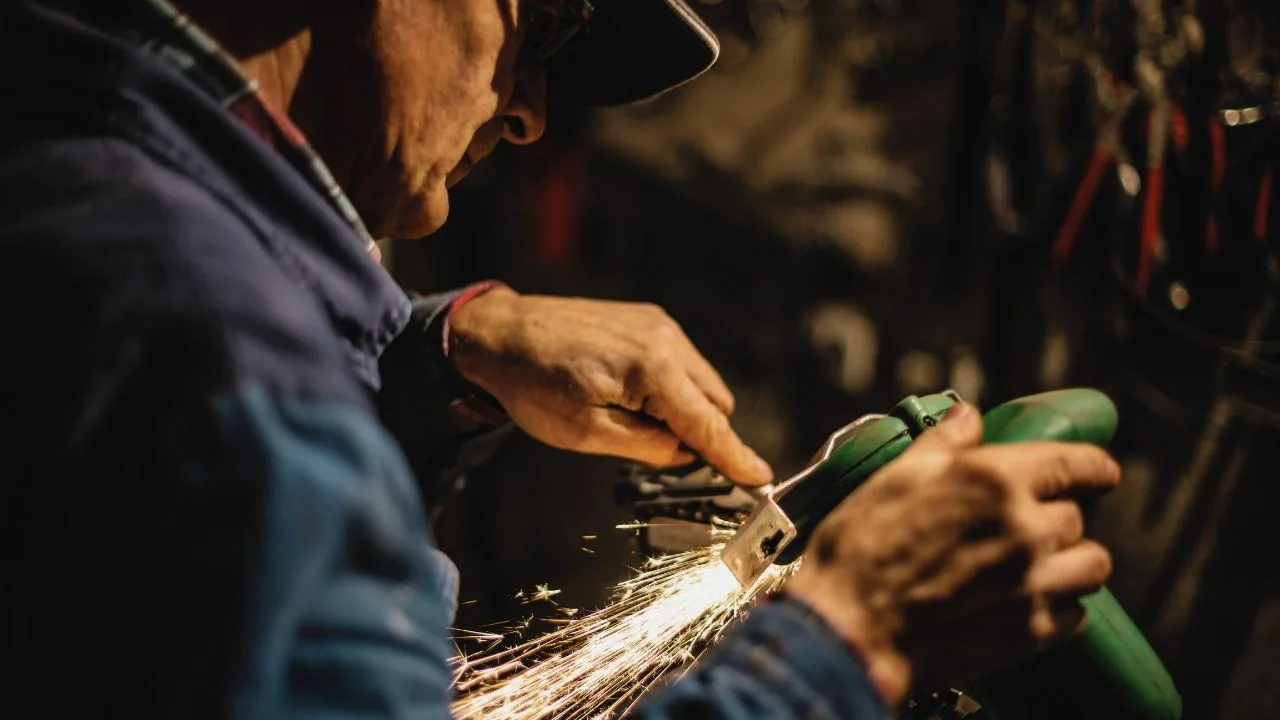
Even those who continue to work do so in ways that reflect this continuity. Seven retirees out of ten start the activity before or immediately after retirement, 71% perform tasks very similar to those of their previous career, and opportunities mainly come from the former employer, clients or personal relationships. More than a return to the labor market, what emerges is the continuation of already existing paths. And most offers come from the former employer (34%) or existing networks (44%), whether they are clients or family members. The share of those who have engaged in active job searching is residual.
Moreover, the motivations are not only economic. 69.4% of those who continue to work cite at least one reason related to the desire to stay active, enhance their skills or still feel useful to society. Slightly less, 59.5%, also indicate economic reasons, such as supplementing the pension, maintaining their standard of living or helping the family. For almost two out of three working retirees, the income produced represents an accessory or even negligible item; for over a third, however, it is necessary or indispensable.
Geographical differences
The study also highlights territorial differences. In internal areas and outside the main urban centers, the economic push weighs much more: here 64.9% of working retirees declare at least one economic motivation, compared to 49.5% of residents in urban areas. At the same time, in peripheral areas the share of those who consider additional income indispensable also increases.
Unequal volunteering
Volunteering is no exception to inequalities. Contrary to the image of an activity open to all, the research shows that civic engagement also requires a minimum threshold of economic security. 19% of those who receive less than one thousand euros net pension per month volunteer, a share that rises to 42% among those who exceed 3,000 euros. Social engagement also increases among graduates and former public employees, a sign that participation in community life is also influenced by the cultural and economic resources accumulated over the course of life.
Read more Fresh eggs withdrawn from supermarkets due to salmonella risk: brand and affected batches
National trend
The Tuscan snapshot fits into a national trend described by the XXV Annual INPS Report, according to which retirement increasingly less coincides with a definitive exit from the labor market. Between 2019 and 2023, the number of working retirees observed rose from about 40,000 to almost 158,000, while about 8% of pension recipients from work continue to supplement their pension with income from work activity.
But the University of Florence research adds a fundamental piece: behind these numbers there are not only individual choices, but paths marked by inequalities accumulated throughout working life. And which are not overcome once that threshold is reached.
Getting back in the game? Yes, but…
The study also highlights an as yet untapped potential. Among those who today neither work nor volunteer, many do not rule out getting back in the game. More than economic necessity, opportunities count: 21.5% would become active again if they found contexts capable of valuing their skills and experiences, 19.9% if they felt the need for new stimuli, while 17% would do so simply if someone proposed it to them.
«This research by the University of Florence, which we at Spi Toscana have supported and promoted, confirms a reality we encounter every day: there is no single way to live retirement – observes the general secretary of Spi Cgil Toscana, Alessio Gramolati –. Behind the choice to continue working, to dedicate oneself to volunteering or to remain inactive there are opportunities, but also inequalities built throughout working life. The most significant data is precisely this: those who would most need to remain active are often those who face the greatest difficulties». For Gramolati it is necessary to look beyond economic incentives: «Quality work, continuous training and support networks are needed throughout life».
Read more France, the bodies of five newborns found in the home of a couple in Orange