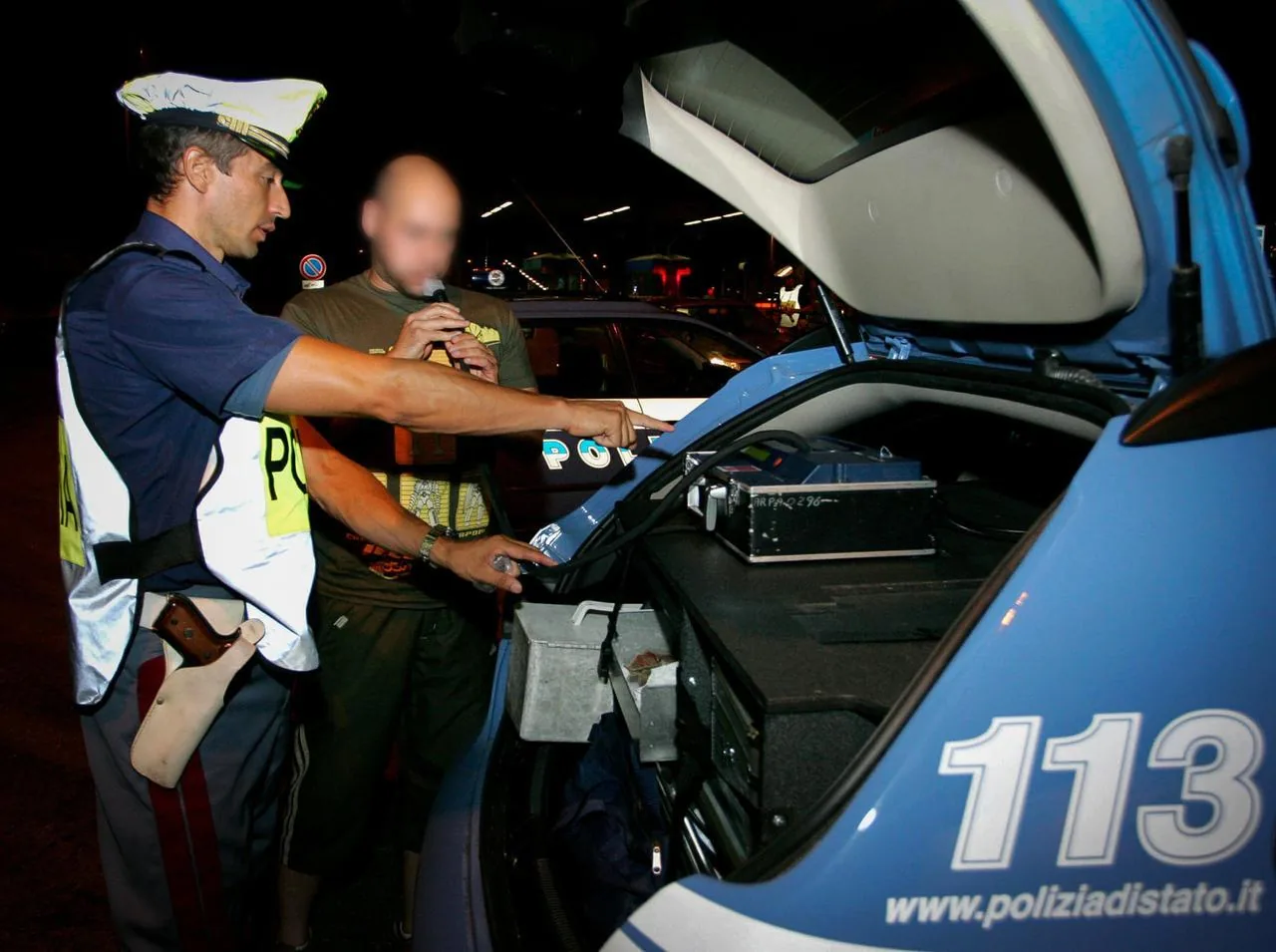




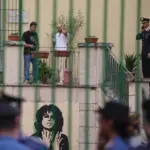


ROME. The investigations into the killing of Fabrizio Piscitelli, historic head of Lazio ultras and a prominent figure in Roman drug trafficking, mark a decisive turning point. At dawn, the Rome Mobile Squad and the carabinieri of the Investigative Unit executed seven precautionary measures by order of the judge, at the request of the District Anti-Mafia Directorate. The group identified by the investigators also includes heavyweight names of the Roman criminal world: Michele Senese and Leandro Bennato, already detained under the 41bis regime for other cases. According to judicial documents, the suspects had different roles in planning and executing the ambush on August 7, 2019 at the Acquedotti park, where Piscitelli – known in the environment as “Diabolik” – was shot in the head. The charges range from murder aggravated by the mafia method to extortion with war weapons, attempted murder, and association aimed at drug trafficking.
The investigators’ reconstruction
The collected elements outline a carefully prepared action, carried out in broad daylight and with methods typical of mafia organizations. The objective, according to the judge, was to consolidate the influence of the Senese clan in the area where the crime took place, eliminating a figure considered cumbersome in the criminal balances of the capital. Piscitelli’s death also generated a climate of strong intimidation: investigators speak of reluctant witnesses, heavy silences, and a criminal community that, after the ambush, would have further raised the level of omertà.
A key piece in the war for territorial control
The investigation, which continues with further inquiries, now aims to precisely define roles, motivations, and internal dynamics of the group that allegedly ordered the murder. For the investigators, reconstructing the masterminds represents a crucial step to understand the power strategy that, in recent years, has fueled the competition between clans in the capital.