


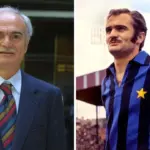

The world of Tuscan information loses one of its most recognized figures: Stefano Marcelli, for years special correspondent and head editor of the Rai regional office, has died at the age of 71 years. This was announced by the Tuscan Press Association, the Order of Journalists of Tuscany and the Rai editorial staff, through the presidents Sandro Bennucci, Giampaolo Marchini and the head editor Maria Adele De Francisci.
A career started very young
Marcelli took his first steps in journalism in 1975, just twenty years old, joining the Florentine editorial staff of Paese Sera. From there began an intense and multifaceted path: he founded and directed the cultural magazine Reeds and the newscast of Teleregione, distinguishing himself for reports and investigations on the political and administrative life of Florence during the years of Mayor Elio Gabbuggiani.
The years at Rai and the major investigations
The move to Rai marked the most well-known phase of his career. First head editor of the Florence office, then special correspondent, Marcelli followed some of the main events of contemporary history: from the P2 lodge to the mafia, from terrorism to the Moby Prince massacre. He reported on the war in the former Yugoslavia, the rise of fundamentalism in Algeria and investigated the trafficking of toxic waste in Africa, during an investigation that also led to his kidnapping in Nigeria. He was among the Italian journalists present at the fall of the Berlin Wall, came into contact with German neo-Nazi skinhead groups, with Croatian Ustasha and followed international trails linked to Al Qaeda. A work always carried out with rigor, curiosity and courage.
Read more Tuscany kissed by luck: two Gratta e Vinci tickets give away 2.5 million euros
The memory of colleagues
Those who worked with him describe him as a direct, straightforward professional, with that strong character that marked the newsrooms of the ’80s and ’90s. Assostampa Toscana, the Order of Journalists and Rai regional have expressed closeness to the family, remembering Marcelli through a word he himself often loved to use, even outside work: solidarity.


