





The latest case of heat illness comes from Monti di Licciana Nardi, a town of less than five thousand souls in the heart of Lunigiana, province of Massa-Carrara. The one who suffered the consequences was the head of the small post office. Left alone at the desk, she felt unwell due to the heat. Unfortunately – as denounced by the Uil – in the facility, for about a month, the air conditioner was broken, out of order, so the temperature rose well beyond bearable limits. Fortunately, the employee, despite the fainting, managed to call 118 who assisted her and she got away with a big scare.
Instead, it will be the autopsies ordered by the judiciary to say if there is a link between the scorching heat and the deaths of Damiano Valletti, 55 years old, and Matteo Consolati, 52, environmental workers who died on the job in Florence a few hours apart. The first at dawn in Barberino del Mugello, the second in Poggio a Luco, in the municipality of Bagno a Ripoli. And outdoor work has been at the center of attention for days regarding the risks related to heat.
Read more Eboli, sports journalist Luca Esposito found dead charred
So construction and agriculture first and foremost, but more generally all (employee) activities engaged outdoors. The regional labor councilor Alberto Lenzi explained at the beginning of this third wave: “The President of the Region Giani signed the ordinance already on May 28, anticipating by more than a month the period in which intervention normally took place. It remains valid until August 31 and provides, on days when the risk is classified as high according to the Worklimate maps of Inail-Cnr, the prohibition of work in conditions of prolonged sun exposure from 12:30 to 16 in the most at-risk sectors, namely agriculture and horticulture, outdoor construction sites and quarries.”
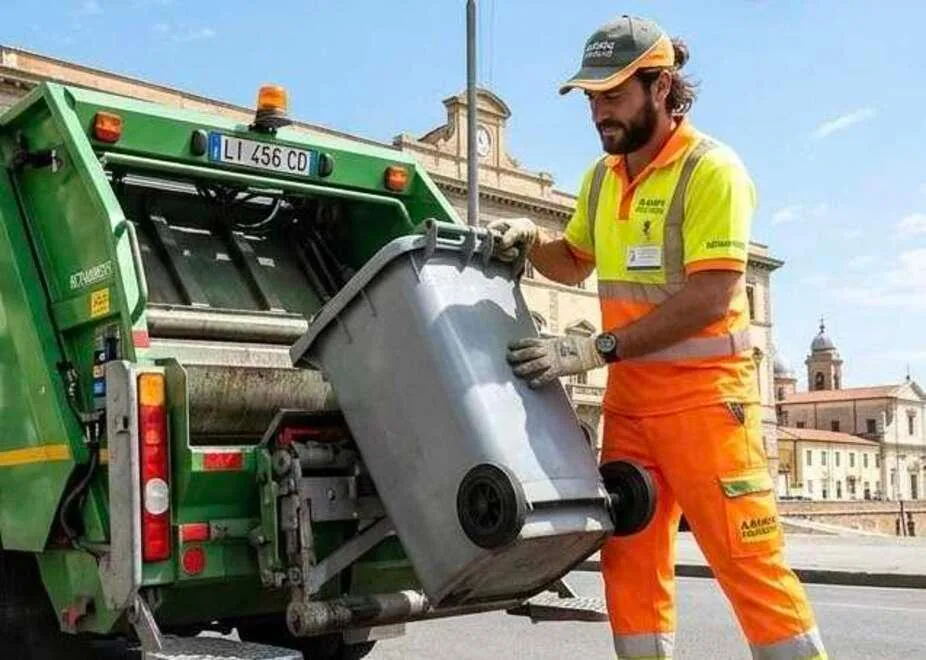
Environmental workers are excluded from this list who, however, after what happened in Florence, have become a category under scrutiny. Not by chance Plures, the company that handles waste collection between Florence, Pistoia and Prato, yesterday recalled how “with the continuation of the heat wave, it confirms the organizational measures, already activated since June, to avoid carrying out the most exposed activities during the central hours of the day and renews the invitation to contracting companies to adhere to the same operating methods provided by the company protocol.
At the same time, the dialogue with the municipalities continues, invited to adopt, where necessary, coherent ordinances to facilitate the carrying out of activities in time slots less exposed to heat. To facilitate the rescheduling of services, the company also guarantees the availability of plants even during night hours.”
The “Heat Protocol” provides for the rescheduling of activities most exposed to high temperatures, including the shift of the afternoon door-to-door collection to evening hours and the reorganization of manual sweeping in less critical time slots.
Specifically, for example, Rea, a company that manages collection in the province of Livorno and in some municipalities of Pisa, during the summer – explains the technical director Stefano Bianchi – “advances the main morning shift to 5:40 (instead of 6 editor’s note). In this way, the shift is finished by 11:50 and the hottest hours are avoided. Moreover, on red alert days, the afternoon sweeping is moved from 16 and an evening shift for bin emptying is introduced to reduce operators exposed to high temperatures.”
For everyone, the other preventive measures provided by the protocol remain active: from the distribution of water and mineral salts to the supply of personal protective equipment, up to the constant monitoring of operational conditions by the company Prevention and Protection Service. “Furthermore – concludes Bianchi – all vehicles are equipped with air conditioning.”
The problem remains for self-employed workers who are excluded from these protocols and more exposed to risks.
© ALL RIGHTS RESERVED