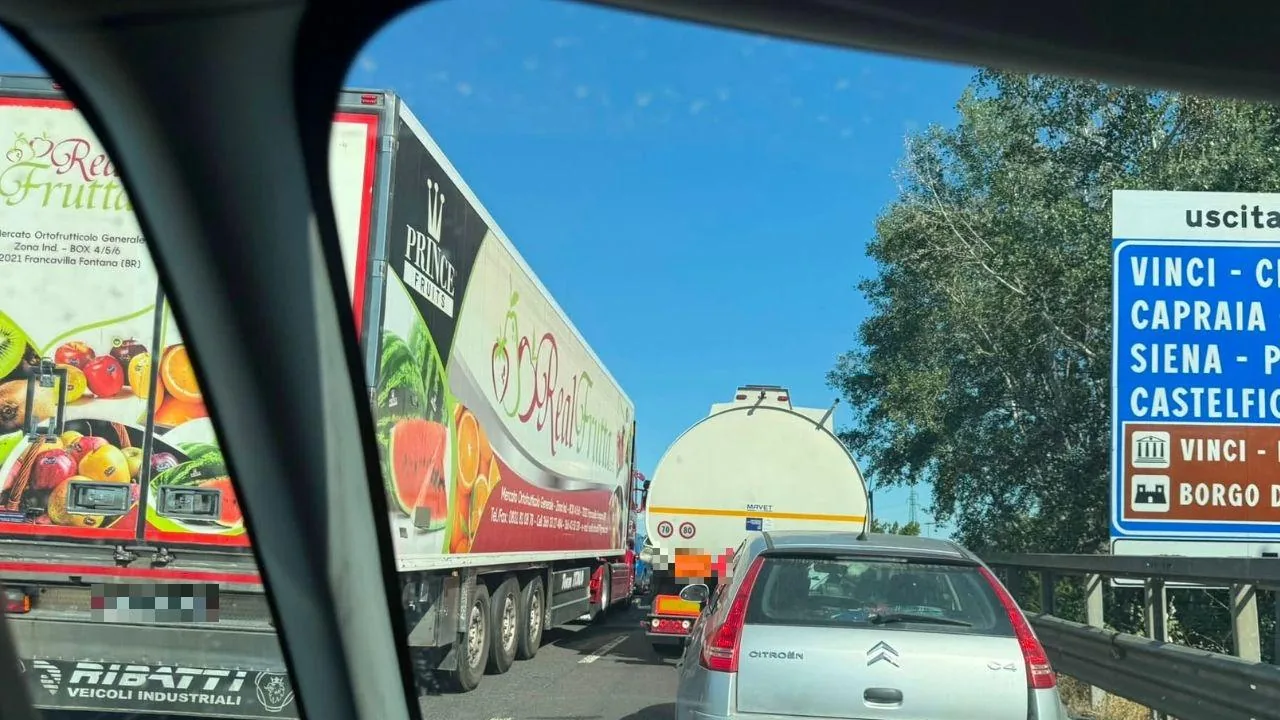





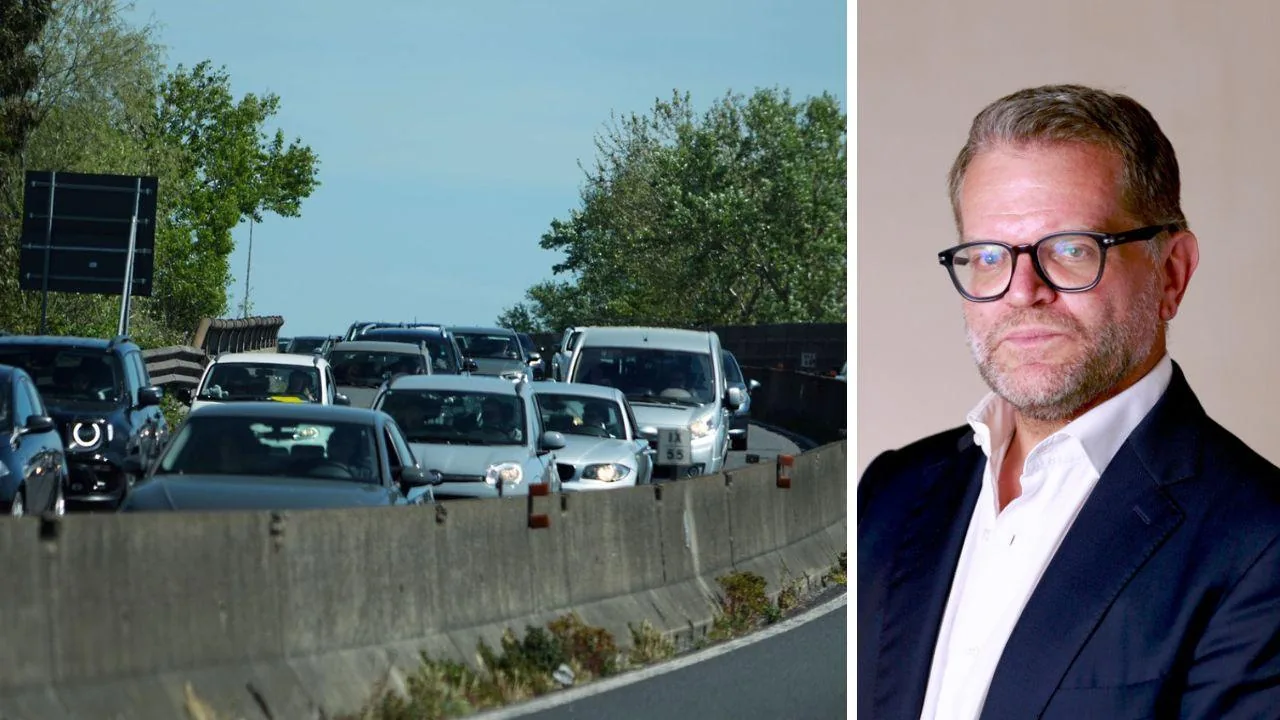
Scandicci-Lastra a Signa, Montelupo-Ginestra, Pontedera-Pontedera Ponsacco and Pisa Nord Est are the four sections of the major communication road Florence-Pisa-Livorno – an alternative to the A11 to connect A1 and A12 – that present the greatest critical issues in both directions, according to the study conducted by the University of Pisa and the regional road sector which cross-references accident and traffic data of the main regional road in Tuscany.
A study, the “S³R Research Project – safety and sustainability of regional roads,” which is explained to us by its coordinator, Professor Massimo Losa.
Where does your work start?
«From June to December 2025 we examined accident data for the period 2020-2024 and traffic data for the period 2022-2024 (2025 data was not yet available), then we continued with refinements until July of this year. So we were able to see, during the screening phase, which factors have the greatest impact on traffic quality and safety, and finally we conducted a detailed analysis precisely on the factors that determined the phenomena under examination, identifying possible interventions to resolve the critical issues. In the interim report presented in December, we identified four priority levels (the final report was delivered on July 31).»
How did you come to define the intervention priorities?
«Following the criterion of economic effectiveness, we assigned a probable cost to each intervention, and then performed a cost-benefit analysis. We thus identified sections where interventions will bring the greatest benefits relative to the lowest expense. We finally proposed the result to the political decision-maker to support their final decision.»
What will happen if Toscana Strade goes ahead?
«We will be able to enjoy benefits over a medium-long term period. “Rome wasn’t built in a day,” as they say, and in the case of the Fi-Pi-Li we expect it will take 10-15 years.»
And in the meantime?
«Given the importance that the artery holds in regional traffic, it is unthinkable to close it entirely or partially, so interventions will have to be carried out in a staggered manner over time. Similarly, it is necessary to think about what will happen when, for example, a lane is closed for works: there will be users who choose to stay on that section, with consequent queues, and others who will prefer to use secondary roads. Our task will therefore be to plan and monitor accordingly, collecting more field data, running simulations, and developing models capable of minimizing inconvenience to superhighway users as much as possible. One could say that in a way we will be doing a favor to satellite map services.»
You won’t abandon us to our fate, in short
«I myself, as a Pisan, am a user of the Fi-Pi-Li. Moreover, I will retire in 2034 and by that date I would consider myself satisfied to see 50% of the interventions completed.»
© RIPRODUCTION RESERVED