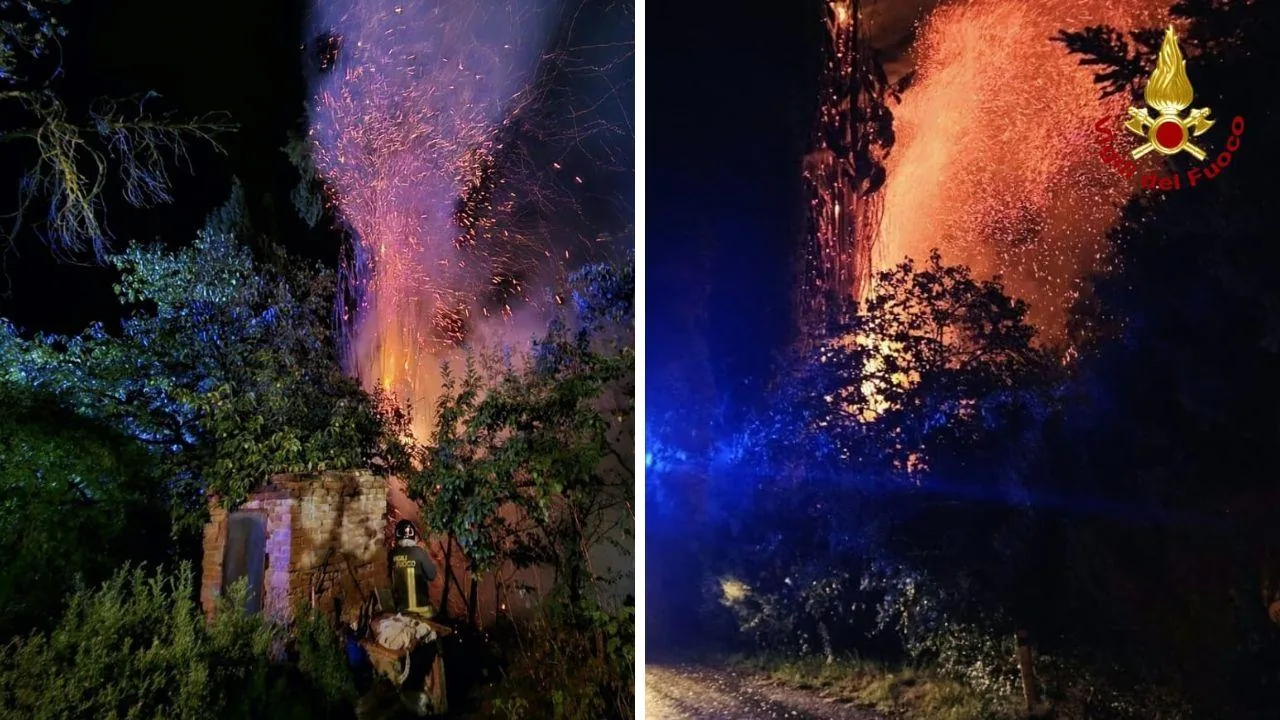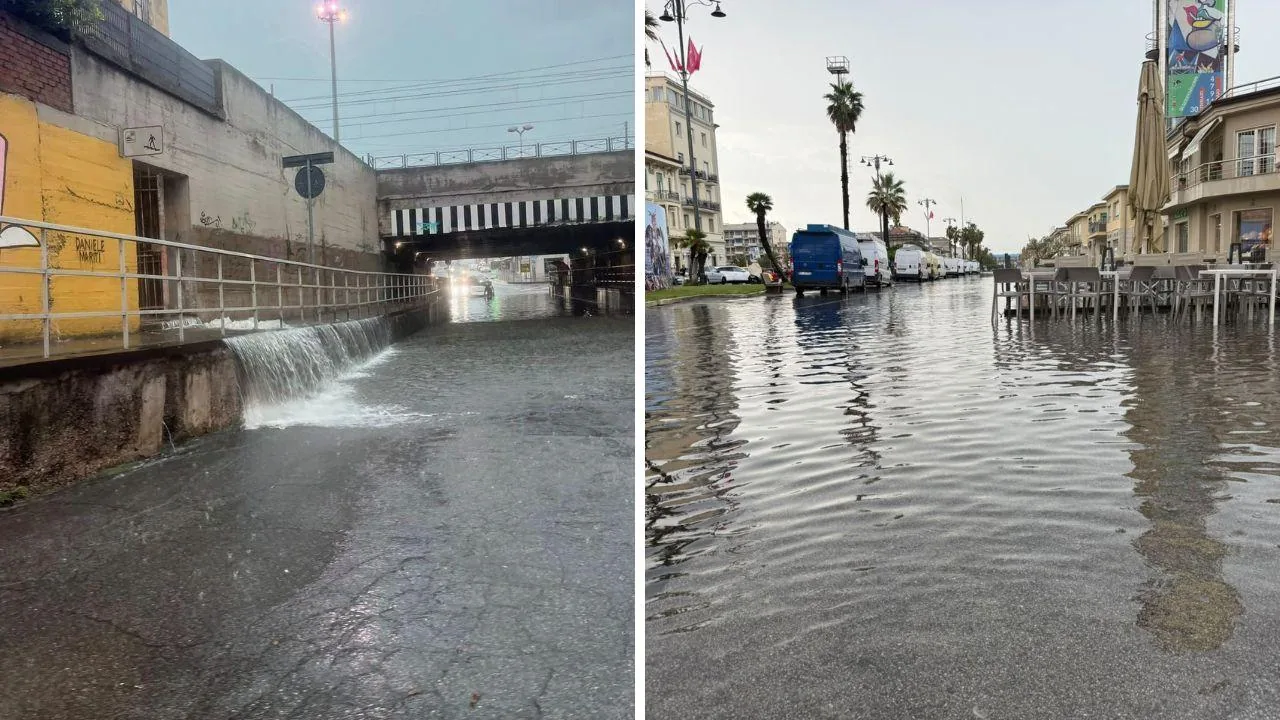






We all studied the water cycle with its four phases in elementary school. Evaporation, condensation, precipitation, and infiltration: the sun heats the sea water, water vapor forms clouds, and rain falls from the clouds, partly entering the ground or going into aquifers while the rest flows into rivers and returns to the sea. However, the climate crisis intervenes in the cycle, triggering particularly intense weather phenomena. Unfortunately, Tuscany has learned to know this; and to fear it, especially in autumn and winter.
Mediterranean temperature records
«The Mediterranean, in particular, is classified as a “hotspot,” meaning it warms more than other areas of the globe. And the just-past July was the hottest ever for our sea,» introduces Claudio Tei, meteorologist and researcher at Lamma (the environmental monitoring and modeling laboratory founded by the Region). Bathers seeking relief will have noticed temperatures over 30 degrees during their holiday week, compared to the seasonal average of 25-26. These record values could be, it must be said, due to various factors. The problem, however, is the overall trend: «It is not new, unfortunately, but a gradual warming of surface waters that we have been observing since the early 2000s, a result of Europe’s warming; and the globe’s.»
For San Tommaso, data are available on Copernicus, the European Union’s Earth observation program, dedicated to monitoring the planet for everyone’s benefit, providing a huge amount of reliable, comprehensive, and free environmental and territorial monitoring data and information.
The expert further explains: «In the absence of anticyclones that remain over the area for many days, disturbances and weak winds that mix surface water with deeper (colder) water are missing. The result is that even deep water warms, up to 40 meters deep. The Libeccio wind is another mixing agent, but if it brings up warm water, it changes little.»
Strong hot-cold contrast
The water cycle repeats unchanged, but its effects are neither automatic nor guaranteed. «When disturbances arrive in autumn and winter, the strong cold-warm contrast causes greater evaporation, leading to very intense thunderstorms with heavier and localized rains. From a certain perspective, these can be frightening, and indeed they are,» adds Tei.
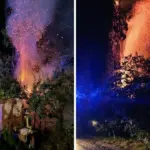
The effects are visible from the waters of the Gulf of Follonica, which recently appeared green due to algae blooms caused by the heat, to the massive hailstorm two years ago in Castiglioncello: «Summer hail is not an exception, but this greater energy in the system needs to be studied better as it causes hailstones to grow faster and therefore fall larger in these storms.»
In this context, the coast is hit before the inland areas, and if Athens is crying this summer, Sparta certainly is not laughing. «On the coast, the very high sea temperatures cause even breezes to be weaker, giving a higher sense of discomfort. Inland, temperatures reach up to 40 degrees, with drought and stressed vegetation. Consequently, the mountains have less snow in winter,» summarizes the meteorologist and researcher, briefly stepping out of his field to highlight the repercussions on various economic sectors: dry farming, construction slowed by worker protection ordinances, fishing struggling with alien species, ski tourism without raw material (especially Amiata).
Autumn forecasts
The question now is what will happen starting from September 23, the astronomical start of autumn. Or rather – better – from September 1, the meteorological season change.
Assuming that «models are continuously evolving,» El Niño must be considered, a periodic climatic phenomenon that causes strong warming of the central-southern and eastern Pacific Ocean surface waters in December and January, is still present; and intensifies its grip on the global climate. «El Niño may bring a milder autumn-winter. But beyond that, specific forecasts are impossible. What we can do – he concludes – is to drive a change in global policies.»
Nature tends toward balance without favoritism. The task of science is to observe, ask questions, formulate hypotheses, experiment, and finally draw conclusions. The rest is in the hands of those who hold the power to decide, based on those conclusions, whether and how to intervene. The future of all of us (who are voters) depends on it.