







LIVORNO. Scams change day by day. They become increasingly sophisticated. They have become incredibly advanced thanks especially to the help of artificial intelligence, rather advanced psychological manipulation techniques, and technological tools capable of disguising the criminals’ identities.
What has struck in recent days is the “updated” version of the fake marshal scam, which in the city of Livorno has recorded two cases extremely close to each other: together they yielded over 41,000 euros, stolen with the “safe account” technique, one of the most insidious banking scams of recent months. Names, phone numbers, and IBAN codes change, but the script is always the same: a call apparently coming from law enforcement, the psychological pressure of urgency, and the request to transfer money to a supposed “safe account.” In reality, the money ends up directly in the scammers’ hands.
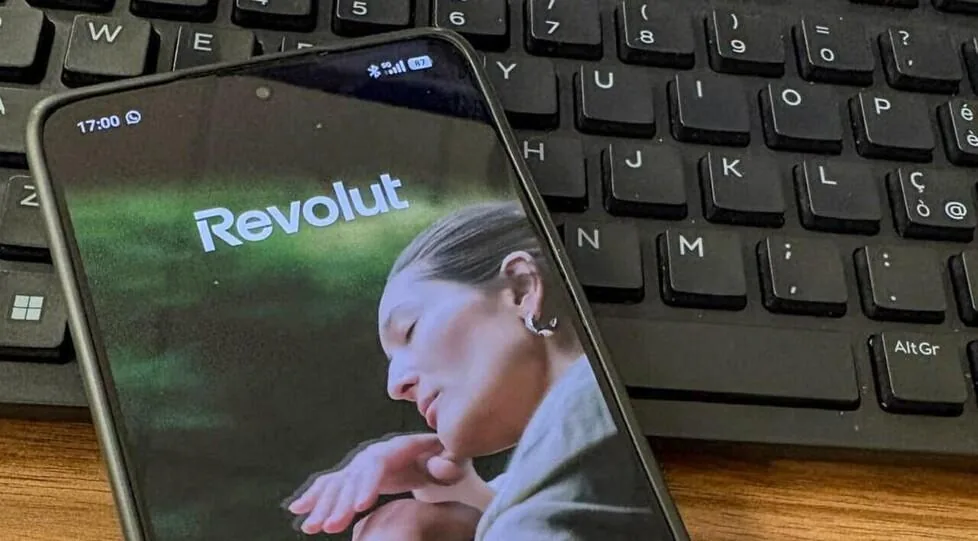
The first reported incident in Livorno starts with a call from a man who introduces himself as a marshal of the carabinieri. The victim is convinced that there is an attempt to steal the savings deposited in the current account and that the only way to save them is to immediately transfer them to a Revolut account opened in their name. Following the instructions received without ever interrupting the phone conversation, the account holder opens the account and makes four transfers, for a total amount of about 15,000 euros. Shortly after, the alleged marshal claims that even that account is now compromised and induces the victim to activate, through an SMS apparently from Revolut, a new virtual card. After activation, three withdrawals of one thousand euros each are made. The scam continues with a further step: the fake carabiniere convinces the victim to transfer the remaining 10,000 euros to another Revolut IBAN, registered to a person indicated as “safe destination.” Only later does the account holder realize they have been scammed.
In the second incident, the mechanism is almost identical. The victim receives an SMS reporting an alleged fraudulent payment of just over one thousand euros and is invited to contact a phone number. The interlocutor, after talking about a second payment of 10,000 euros, even claims that an unfaithful employee involved in the fraud works inside the bank. At that point, a supposed marshal of the carabinieri comes into play, calling using a number corresponding to that of the Carabinieri headquarters, a circumstance that makes the scam even more credible.
The man urges the victim to go immediately to the bank to secure the money through an instant transfer to what is described as a phantom “National Fund for Fraud Prevention Accounts.” The victim thus makes a transfer of almost 30,000 euros. Subsequently, the fake officer asks for photos of the transaction receipt, identity documents, and even a selfie, claiming they are necessary to file the complaint. Only by actually going to the station does the victim discover they have been deceived.
The two incidents that occurred in Livorno show very precise common elements: the scammers keep the victim constantly on the phone, preventing them from consulting with family members or the bank; they leverage the authority of law enforcement; they use technical terms and references to alleged ongoing investigations; they induce action under strong emotional pressure, suggesting the imminent loss of the entire fortune.
“These episodes demonstrate how much criminals have refined their psychological manipulation techniques,” observes Federconsumatori Livorno. “No bank, no police force, and no public body will ever ask to transfer money to another account to keep it safe. When a call creates urgency and demands immediate operations, you must end the conversation and personally verify with your bank or law enforcement using only official contacts.”
On the fact that timeliness is fundamental, lawyer Annalisa Scura, legal counsel for Federconsumatori, fully agrees: “Anyone who realizes they have been scammed must immediately contact the bank to try to block the operations, file a complaint, and keep all useful elements, including phone numbers, SMS, IBANs, and transfer receipts. It is also important not to give up: in the presence of specific violations of security obligations or anomalies in the management of payment operations, there may be liability profiles of the intermediary that deserve careful case-by-case evaluation.”
The two Livorno stories confirm how the so-called “safe account” scam is taking on increasingly worrying dimensions. The advice remains just one: faced with any urgent request to move money, immediately end the conversation and personally verify the situation. A few minutes of caution can be enough to avoid losing a lifetime’s savings.
© ALL RIGHTS RESERVED