
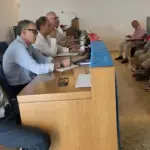
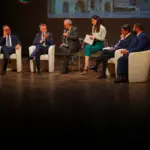

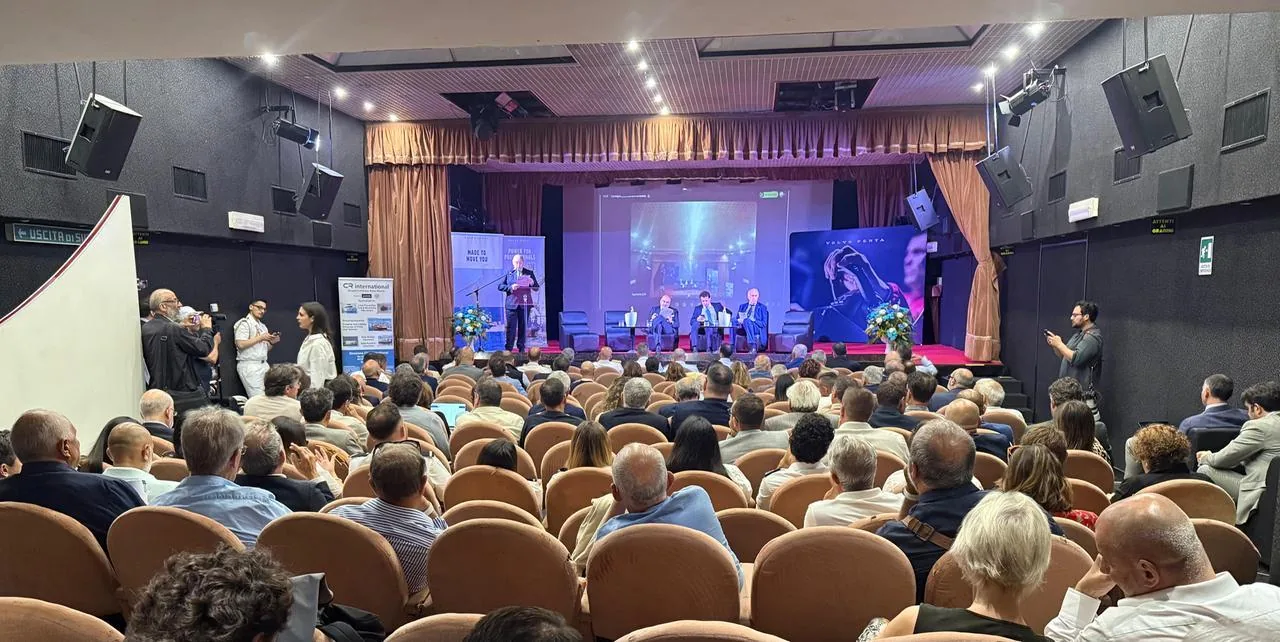
NAPLES. A further and convinced push towards digitalization, an increasingly marked simplification of procedures, better coordination between training bodies and companies. These are the three “essential” ingredients to overcome the now chronic shortage of personnel in the Italian maritime sector, thus keeping alive a historical tradition like the Italian one. The recipe was provided this morning – June 4 – in Procida, at the opening of the eighth edition of the Conference on Maritime Labor, by the president of the eponymous Committee, Fabio Pagano.
«A few months ago – added Pagano in his report – we reached an important milestone, namely the digitalization of the seafarer’s book, a battle fought by this Committee and this Conference, which finally became a reality concurrently with the creation of a single, and also digital, registry of seafarers. A significant step, of which we are proud, but this must be a starting point. As is now known, the maritime sector is grappling with a now structural shortage of personnel and the trend must be reversed: Italy boasts a wealth of skills and experiences that cannot be lost.»
«Our recipe – continued the President of the Maritime Committee – is clear and rests on three pillars: digitalization, simplification of the bureaucratic apparatus, and an even more intense connection between the world of training and the world of work. We know that much has been done in this regard and that the entities involved are operational and ready to make themselves available: this is a positive fact, because never before can it be said that we are all in the same boat. Giving new impetus to the attractiveness of the maritime sector in Italy can also be important for the entire country system: the major international crises we are experiencing have brought to public attention the importance of maritime transport as an essential lever for security and development: a further reason to strengthen this sector also in Italy, starting from human capital.»
Read more Permanent position in public administration: over 1,300 permanent hirings – What you need to know
Regarding simplifications and digitalization, the first step concerns the issue of biennial medical examinations for seafarers: «Here, a change of pace is needed precisely to avoid creating excessive difficulties for workers – continued Pagano – We are working on it, silently as we like, in agreement with the relevant offices and the Ministry of Health.»
On the first day of the Conference, which received the patronage of the Ministry of Infrastructure and Transport, the Ministry of Labor and Social Policies, and the Minister for Civil Protection and Maritime Policies, an applause from the hall went to the seafarers who have been stranded in the Persian Gulf for over three months. Among others, Edoardo Rixi, Deputy Minister of Infrastructure and Transport, intervened with a written message, as did the Commander of the Port Authorities Corps – Coast Guard, Admiral Sergio Liardo, and several exponents of politics, administration, and the maritime-port cluster. The Conference will conclude tomorrow, with another intense morning of work, enriched by video interventions from the Minister of Health Orazio Schillaci and the Deputy Minister of Foreign Affairs and International Cooperation Edmondo Cirielli.
Read more External Commissioners Maturità 2026, here are all the names in Tuscany: the Ministry’s list