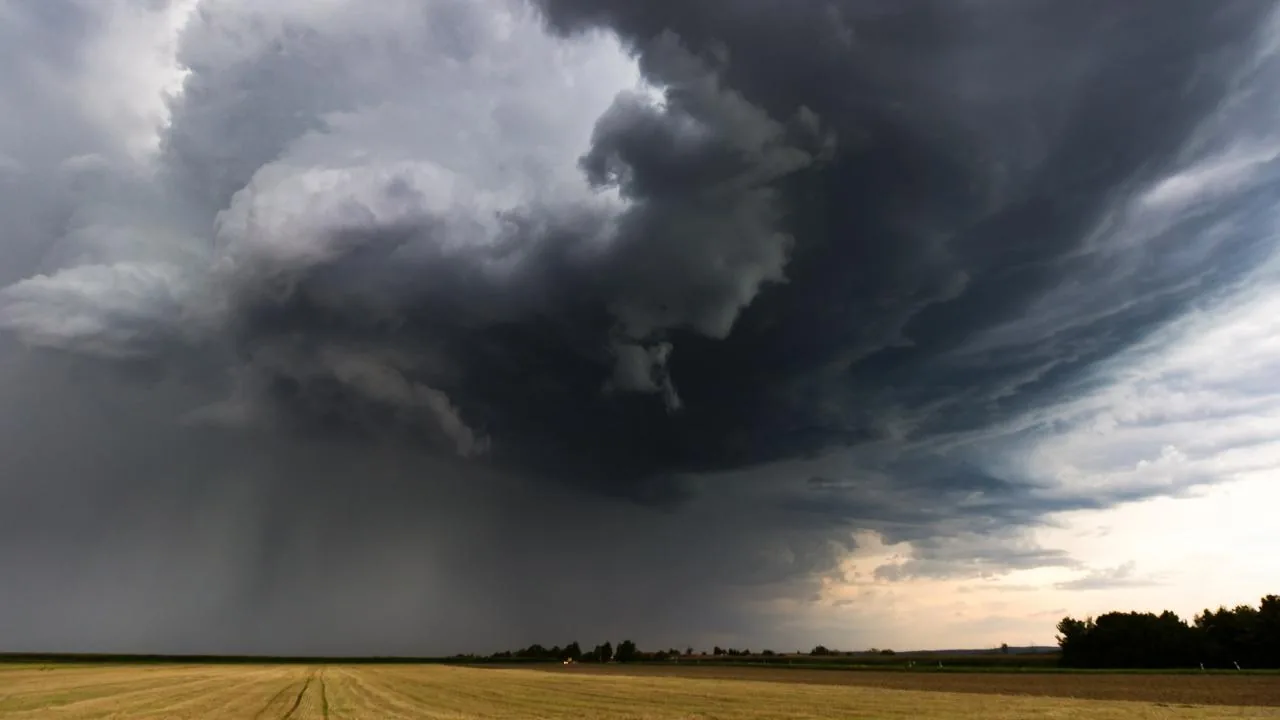








The Lamma Consortium defines them as “astonishing values.” A rare adjective in the language of meteorologists, which we imagine was certainly not chosen by chance. The reference is to the amount of rain that fell in a few hours – three to be precise – in a restricted area of Lunigiana, northeast of Villafranca. A peak between 320-390 millimeters fell between 8 and 11 in the morning yesterday, August 22, on a day of orange weather alert for thunderstorms. “Exceptional values,” Lamma still defines them, “even for this area of Tuscany, more accustomed than others to heavy downpours.” And broadening the scope, in the northwestern areas of the region, in 36 hours the recorded totals remain significant with values often between 80 and 140 mm.
The rainfall record in Bagnone
The Lamma analysis then goes into detail on the maximum totals recorded by the Bagnone meteorological station, in the province of Massa Carrara, one of the municipalities most affected by yesterday’s bad weather. Here, due to intense precipitation, the Bagnone stream reached a historic flood level, touching 4.45 meters. The previous record, 3.47 meters, dated back to late October 2023. After the peak, the watercourse level gradually dropped, returning below the first warning threshold and without presenting further criticalities. But the fear was great. And there was damage to the territory.
Observing the maximum point totals recorded by the Bagnone station (data reported by Lamma, editor’s note) it is noted that in that area “14 mm fell in 5 minutes, 20 mm in 10 minutes, 35 mm in 15 minutes, 70 mm in 30 minutes, 130 mm in one hour, up to reaching 265 mm in three hours.”
(The map published by the Lamma Consortium)
Living in an increasingly warm climate
“We must start from similar events to understand what it concretely means to live in an increasingly warm climate – explain Lamma – Not because a scorching summer must necessarily be followed by exceptional downpours, but because a warmer atmosphere and seas provide, if favorable meteorological conditions are created, greater amounts of heat and water vapor capable of causing such extreme precipitation phenomena.”
Read more Mps, now the goal is to create a new national champion
“Phenomena of this type have also occurred in the past – they then clarify – but what worries is the possibility that, in a warmer climate, extreme events will more easily reach such high intensities.”
The management capacity
Then there is the question of the capacity of territories to cope with increasingly extreme phenomena. A question that Lamma touches on, emphasizing that “265 mm in three hours is an amount of water hardly manageable by any territory in such a short time interval,” explain the technicians. They then add: “This is probably the point on which we will have to reflect more and more in the coming years: not only how much the climate will change, but how prepared we will be to face its extremes through adaptation and prevention works.”
Read more Mps, the leader and the knight’s move