



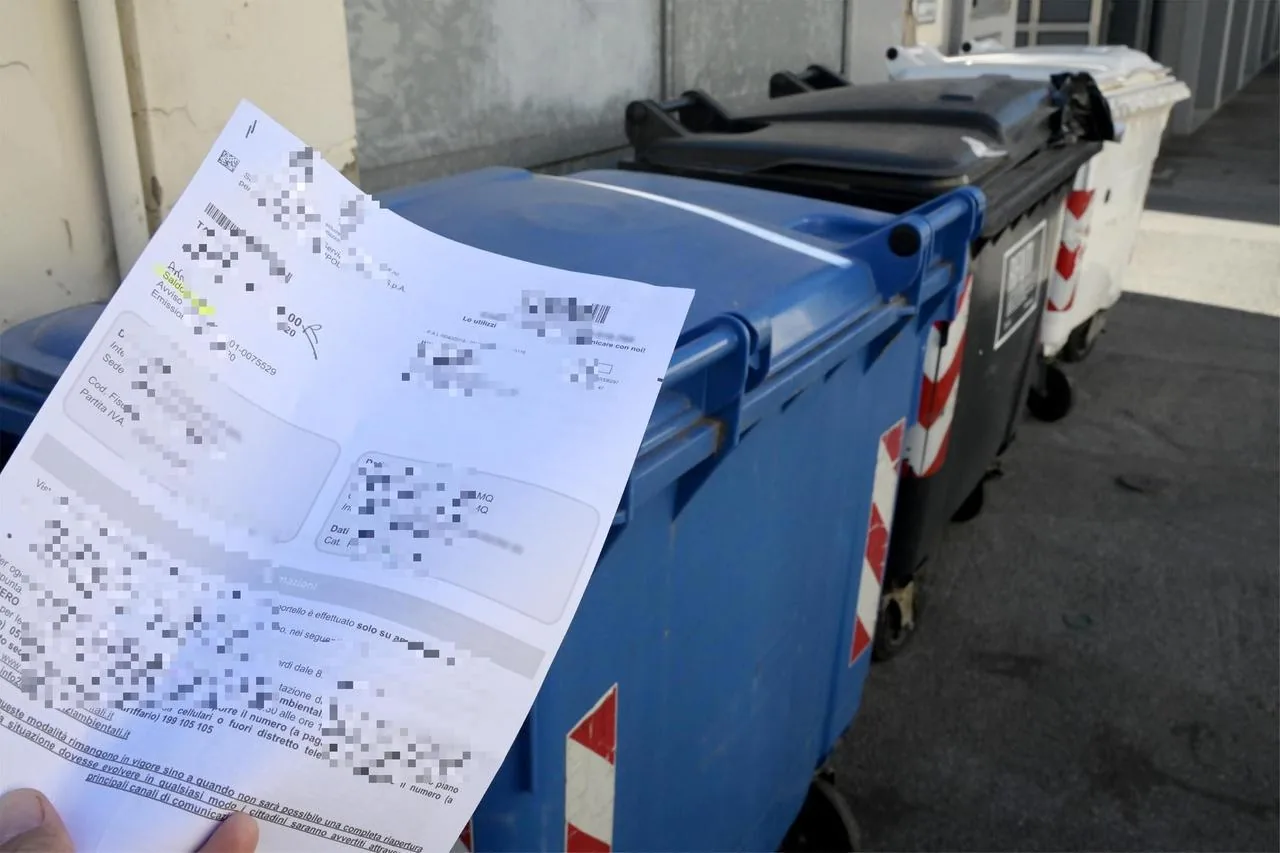
Garbage in Tuscany is getting more and more expensive. The approval of new contracts for 2026 is bringing a wave of Tari rate increases to various city councils. The percentages vary from city to city, but the squeeze on budgets is the same for everyone: adjustment to inflation, the increase in raw materials, and the renewal of national category contracts.
Read more Mattia Maestri has died, he was in a coma after eating raw milk cheese
In Florence, the rate changes for 2026 compared to the previous year stand at an average increase of +4.84%, maintaining the distribution of the burden at 35% on domestic users and 65% on non-domestic users. In Prato, the increases stand at +8.5% for families and +8% for businesses; here the Municipality tries to soften the blow by budgeting 300,000 euros to expand Isee discounts. In Pistoia, despite increases of +6.7%, the council has chosen to zero out increases for 2026 and 2027 for families with Isee up to 15,000 euros by allocating 70,000 euros. Before reaching the coast, in Pontedera the average increase remains contained between +3.5% and +4%, held back by the recovery of evasion which has expanded taxable surfaces and by over 310,000 euros in municipal benefits. In Livorno, the rate rises on average by +4% (a household of 3 people in 100 sqm will pay +4.2%, about 15 euros more), but the maneuver is shielded by a 10 million euro allocation from the emergence of over 295,000 square meters of housing unknown to the tax authorities, equal to about 3,600 second homes. In Rosignano, the average increase of +4.92% (with a forecast of a further +5.92% in 2027) derives from the choice to spread costs over two years so as not to weigh them all at once, also having to settle a past debt with RetiAmbiente of 3.8 million. In Carrara, the increase remains below the 10% threshold, distributed evenly between families and economic activities but confirming all exemptions for vulnerable social groups as a whole. Finally, in Pisa, after years of increases, the administration announces a reversal of trend with rates down by an average of 1.5% for families (from -1% to -2.18% depending on the members) and 0.5% for businesses. However, it is right to remember that last year Pisa was the second municipality with the highest Tari in Italy, just after Catania.
Operating costs
Explaining what is behind the bill numbers and how the rate is formed is Paolo Vannozzi, CEO of Geofor, the company of the RetiAmbiente group that manages the service in the Pisa basin. The analysis starts from the company’s budget items, led by structural and non-compressible expenses. “Our work is made up of men and equipment — highlights the Geofor CEO —. We have 370 vehicles that travel millions of kilometers and consume about 2.5 million liters of fuel per year. Then in our budget, 40% is represented by personnel costs (just under 700 field workers, editor’s note), while another 14-15% goes to maintenance and fleet renewal. Added to this is the impact of the renewal of the national sector contract that took effect at the end of 2025.” On top of the industrial cost are the decisions made locally by each individual administration. “From our bill cost there is another part that directly concerns the Municipality, namely the costs of individual municipal regulations that govern how to divide the service between domestic users, i.e., families, and non-domestic users, commercial and artisanal activities. Beyond this, there is the issue of evasion recovery: if a citizen does not pay the Tari, for us the garbage still has to be taken away, but that missing cost ends up weighing on those who pay regularly.” It is precisely this fragmentation that makes a single price unfeasible: “There is no and cannot be a single area rate as happens for water or gas. The services we offer are profoundly different from Municipality to Municipality. Even just door-to-door collection has different frequencies, to which are added sweeping, washing, or grass clipping collection on a schedule.”
Read more Viareggio and the Carnival Foundation, when politics is shameless: Monti must resign
Plants and collection
What weighs decisively is the lack of infrastructure for closing the cycle. “To date, within the Tuscany Coast area we do not have a cycle closure plant for undifferentiated waste. And I see that the quantities of waste produced increase every year, despite efforts not to generate it. If the plants do not exist, the waste must be taken somewhere and treated. Not having plant autonomy means suffering the laws of the market and prices set by others.” This is linked to the appeal to better separate waste to avoid loss of revenue: “From the sale of recovered material we collect less than 8 million a year, but the figure tends to decrease because in the multimaterial we continue to find everything: diapers, shoes, toys, irrigation pipes. Disposing of one ton of undifferentiated waste costs about 180 euros including transport and eco-tax; one ton of good plastic is paid to us 300 euros. Poor separation means destroying resources that could help contain bills.”
Read more Pegaso to Jonathan Canini and Walter Santillo, in San Miniato an award to the Tuscan identity