









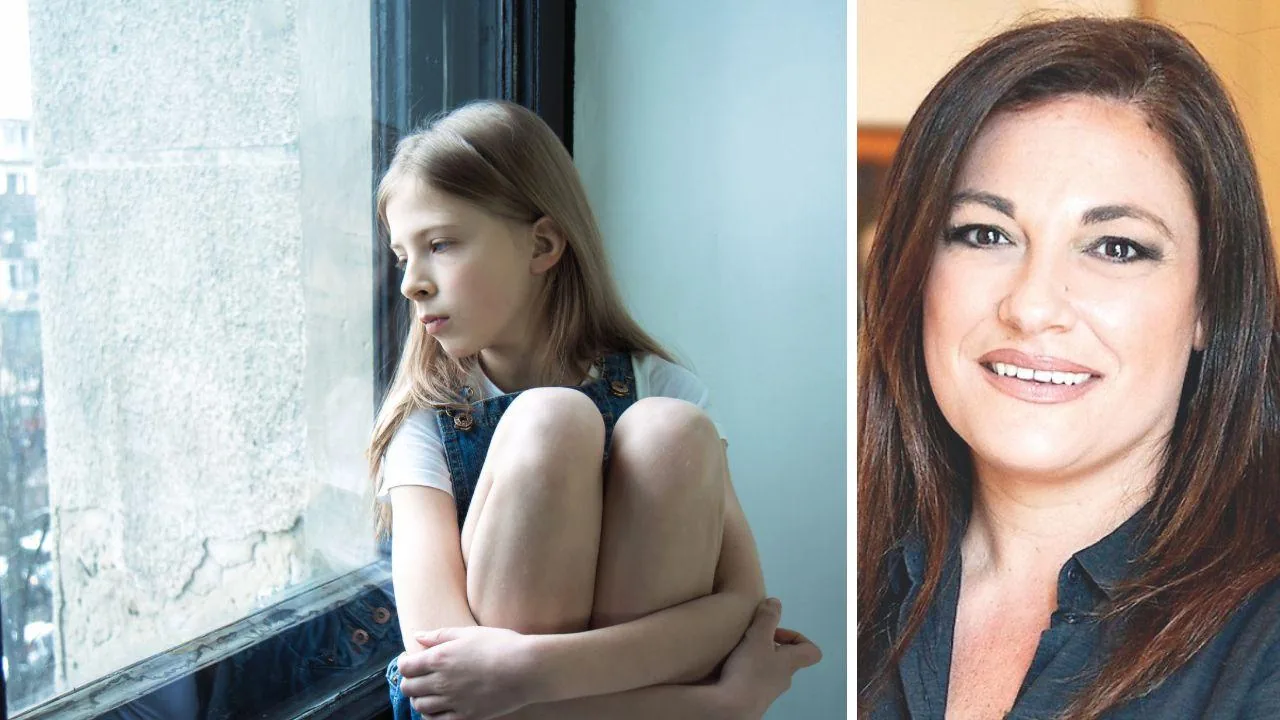
Emotions and dreams are very important tools for children’s growth, they promote their cognitive development, but also emotional development. Yet, it seems that the so-called “modern and technological life” somehow negatively influences all this. But is it really so? Is it true that our children dream less? We discuss this with Dr. Marinella Cozzolino, psychologist and psychotherapist. «Children still dream, unfortunately less than before. Let’s first try to understand what dreaming means. We dream of what we desire and, above all, what seems difficult to achieve. We dream of what we do not have, what we do not possess, and we dream of becoming who we are not.»
Does the dream represent something we lack?
«Exactly. I want to obtain what I do not have. The dream is a projection of my identity because it indicates who I want to become, how I see myself and project myself into the future, how I intend to differentiate myself from others or how I try to resemble someone. We also dream for identification. Children dream of their superheroes, they want to become like them because they are the figures they use to build elements of their personality. The figure of identification can be a cartoon character, but also an adult reference who embodies a passion or ambition: the favorite singer, an athlete, a parent or an older brother or sister.»
Today children have a lot: could this be exactly what makes them dream less? How much does anticipating and satisfying every desire take away space from waiting, imagination, and even frustration?
«We can start from this: children dream less because objects have become less desirable in their eyes, since they possess many. I cannot desire the pink bicycle if I already have four. And… the lives of adults have also become less desirable in their eyes.»
Why?
«Adults are increasingly negative in telling about their daily lives. Dad and mom are more and more tired, nervous, frustrated, disappointed by the life they lead, by the relationships they have, by the work they do, by the money they earn, by the dreams they have never realized. If growing up is this, I definitely do not dream of growing up.»
What else?
«The second reason concerns desire itself, which no longer seems to concern them but something that does not belong to them, a gift they give to their parents: I study piano because dad could not, dance because it was mom’s dream. Dreaming is also disobedience. Today’s children are less disobedient than before, not necessarily in actions but in imagination: few dream of running away from their parents, a recurring dream until a few years ago. No one wants to return to the strict and often unaffectionate parents of the past, but the modern tendency not only to satisfy but even to anticipate children’s desires is taking away their pleasure of waiting, the use of creativity, the pleasure of boredom and, above all, the criticism towards adults.»
You talk about “no” as a stimulus to creativity. Why can limits and frustrations, if experienced in a healthy way, help a child develop imagination, autonomy, and desire?
«The no’s, with which many of us grew up, contributed to increasing that hunger for life, independence, and autonomy that led us to think. If in something the parent acts as a wall between the child and their desire, the child will have to devise, using imagination and creativity, a way to overcome that wall and get what they want.»
There are also important differences depending on age. How does the way of dreaming and desiring change in very young children and then as they grow?
«Obviously, if we talk about children we must consider the different age groups. Very young children, up to three or four years old, have more needs than desires. At that age it is important to feel safe, have solid reference figures and have free access to play. The play of very young children must be mainly manual, accompanied but not guided. Play must be free. A child who plays is a child who gets dirty: with mud, with colors, with playdough. Creativity is linked to manual skills: doing with hands is the main way to know the world and modify the environment. In this way the child explores, creates, learns and tells about themselves. This can happen through inventing stories starring puppets, dolls or dolls, or through drawing, physical expression in dance, singing and acting. Later, when they are school-aged, the child tends to imitate what the peer group does: being like others and among others is their dream. Feeling in the group and liked is their aspiration. Even in this case they will need to desire the acceptance of the group without fearing the frustration of their desire. ‘I want to play with you’: it is the greatest gift that other peers can give them, their dream come true.»
Can parents teach how to dream?
«It is their duty, they must allow their children to dream. It is not much talked about, but dreaming is also learned in the family. You learn to dream if you do not belittle your children’s desires, if you do not ridicule their ambitions, but if you structure them in a way to explain that dreams are realized not by magic, but by commitment and perseverance.»
Let’s talk about night dreams. How does dream activity change during growth?
«If when we talk about dreams we mean dream activity, we can say, also in this case, that children’s dream activity is less frequent and intense than that of adults. And this is absolutely normal. Dreams are the expression of unconscious desires and conflicts and children do not have such a developed psychic life to have experiences that can manifest in dreams. Their world is more real and concrete even when they dream of being an astronaut because, while recognizing the entity of the dream, that one day they will become astronauts, they really believe it.»
Parents and children: a moment of well-being, cuddles, dialogue and sharing can be what precedes sleep. Is there a kind of evening routine you would recommend to promote good rest?
«It depends on the age. For the little ones it is fine to read a fairy tale or tell an invented story. For older children a nice ritual is to tell each other a nice thing that happened during the day and a nice thing they want to do the next day.»
Read more Gasoline, prices: new historic record on the highway
© ALL RIGHTS RESERVED